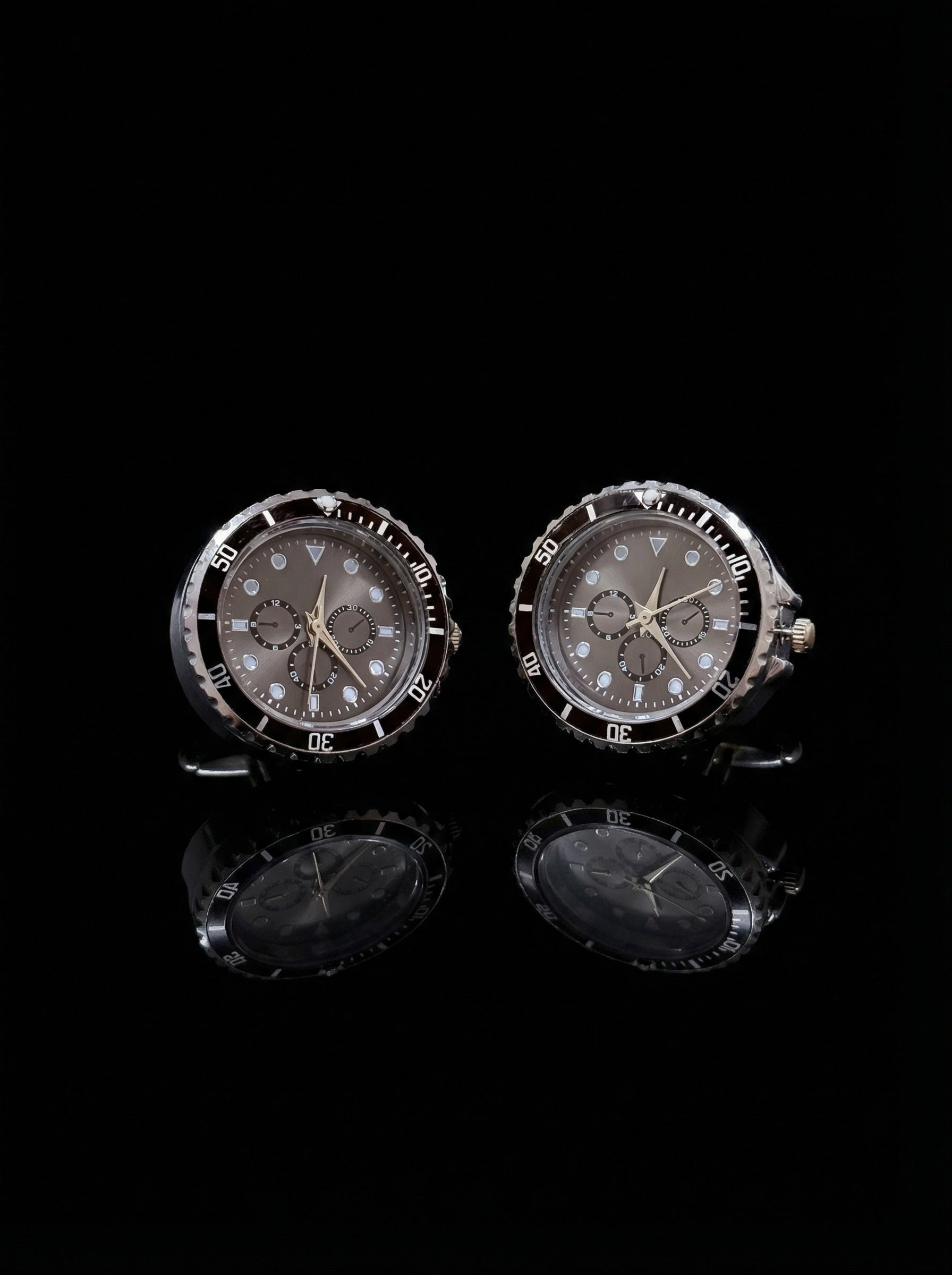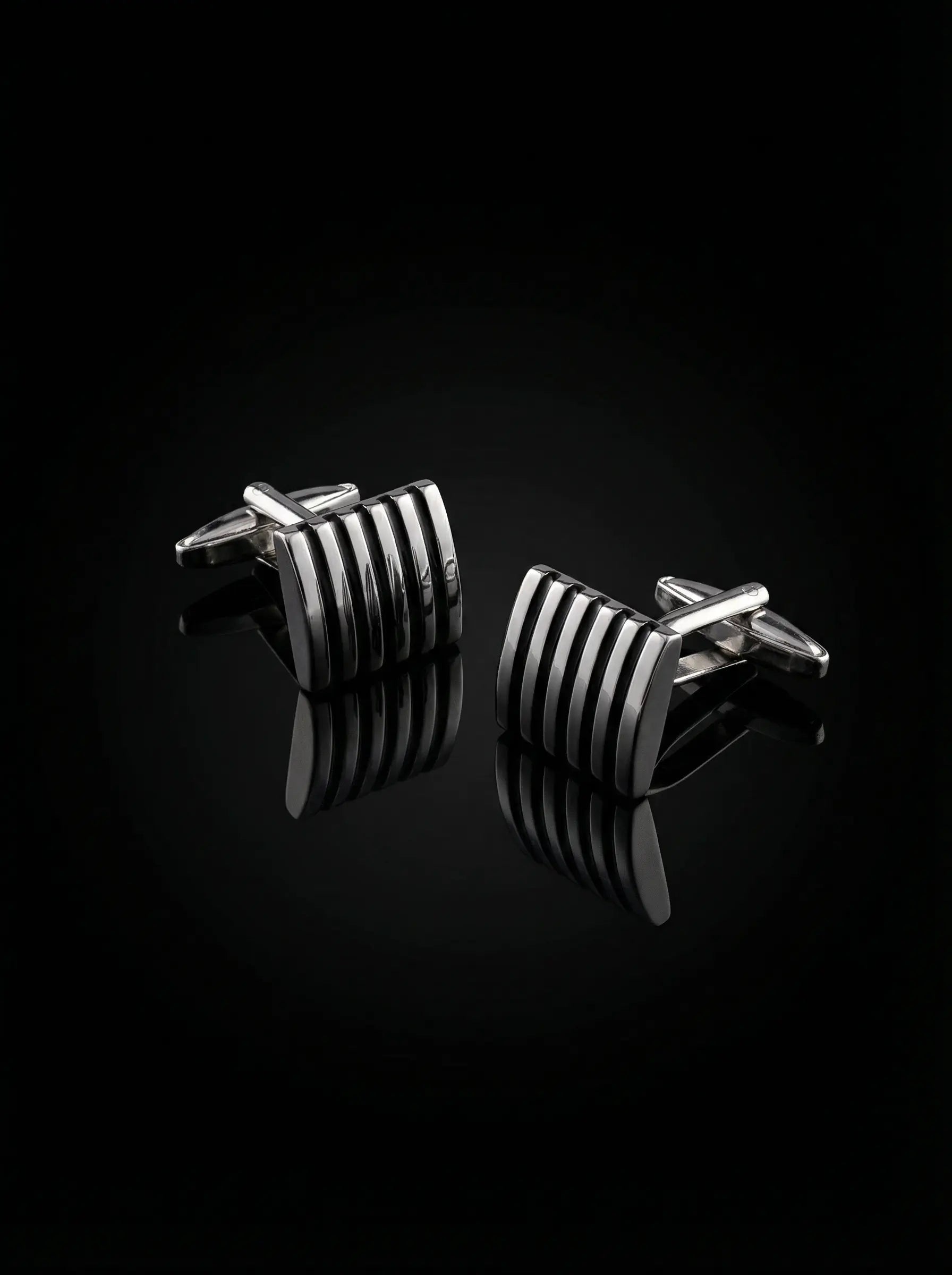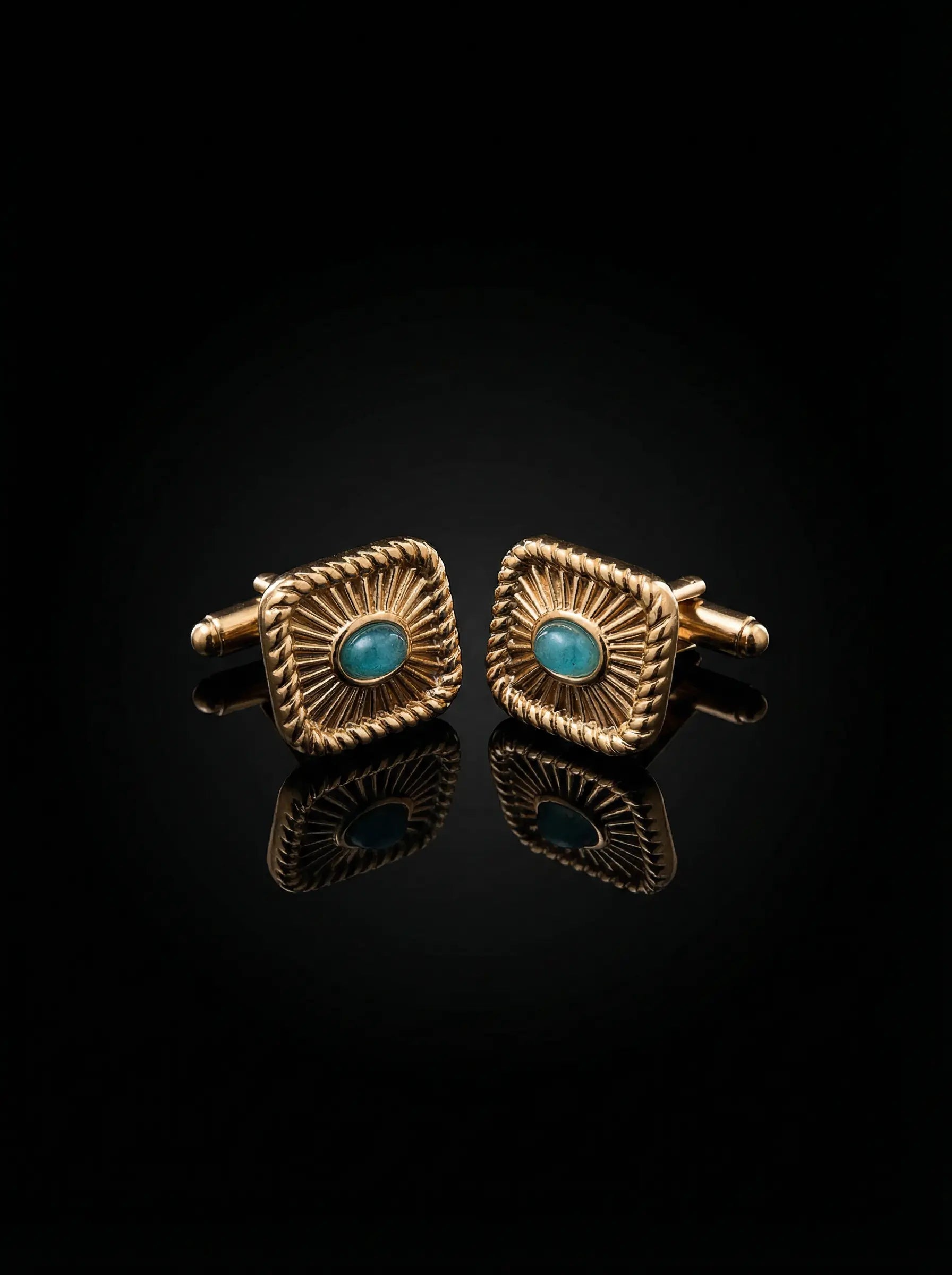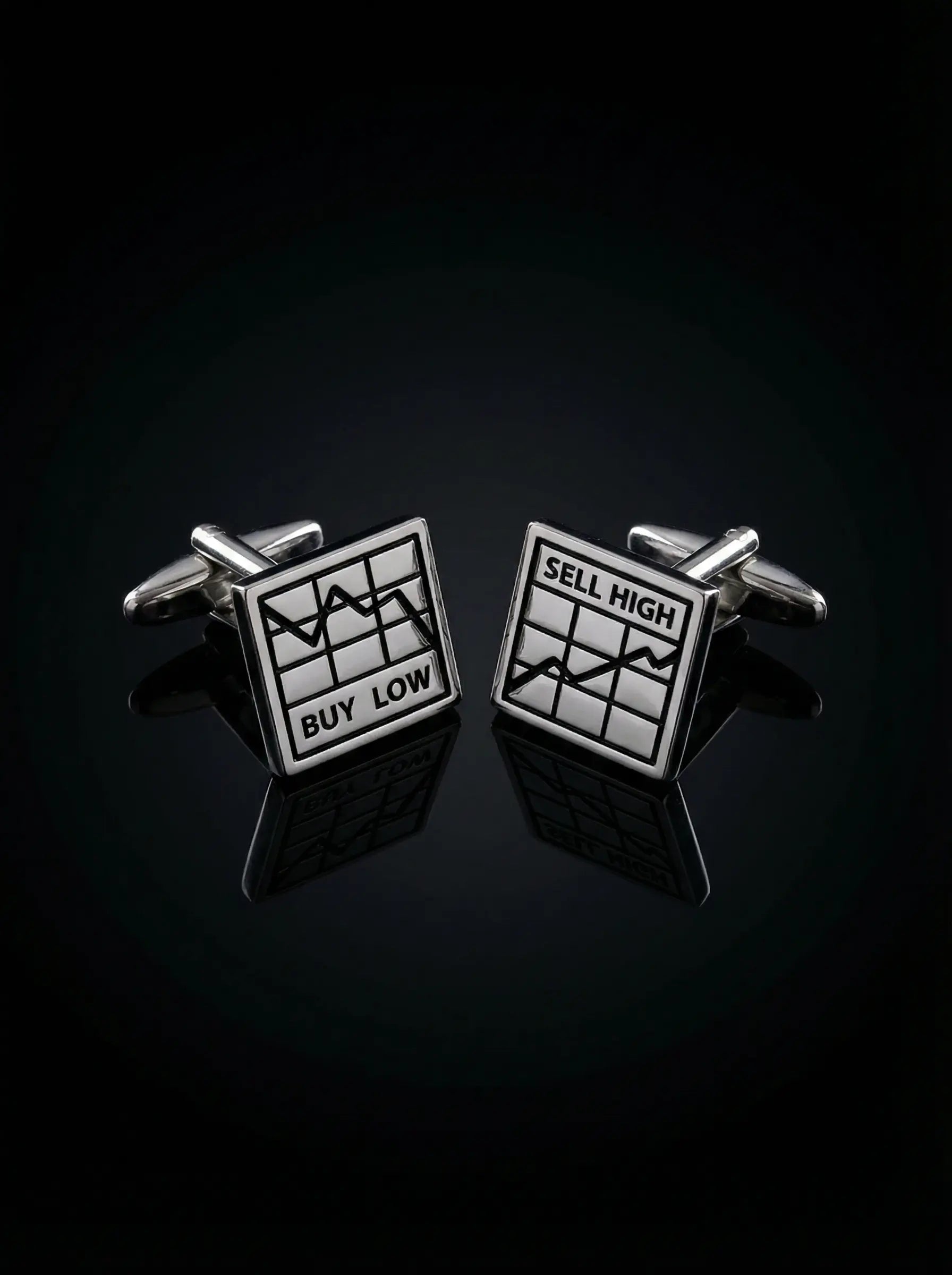

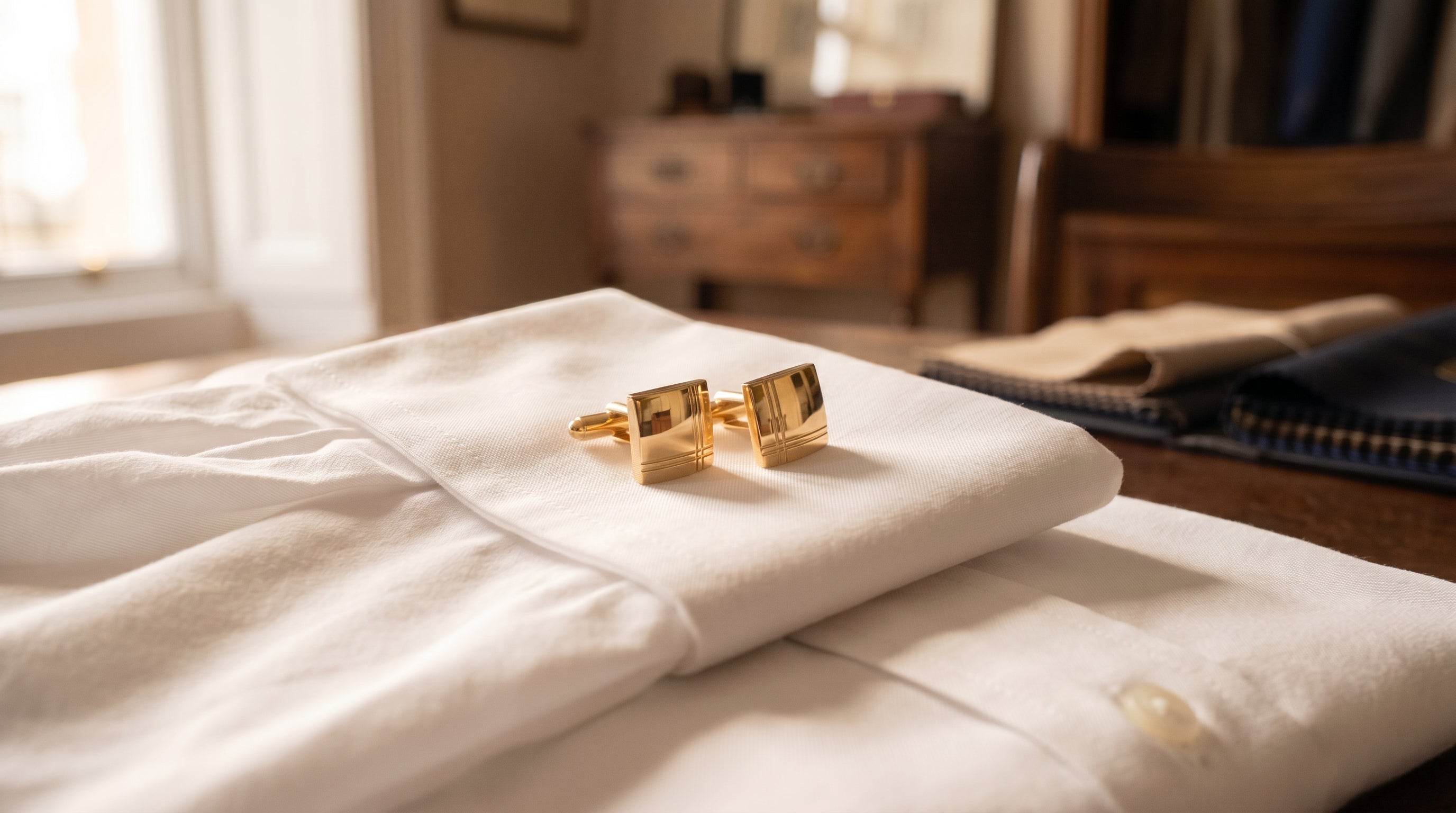
There are very few accessories in men's fashion that carry as much weight — literally and figuratively — as a pair of cufflinks. Small enough to fit in your palm, yet powerful enough to define an entire look, cufflinks are the ultimate finishing touch for any formal or semi-formal outfit. But what exactly are cufflinks? How do they work? And what are the different parts that make up this iconic accessory?
Whether you're new to the world of cufflinks or looking to deepen your knowledge before making your next purchase, this guide covers everything you need to know.
Explore our Cufflinks Collection

What Are Cufflinks?
Cufflinks are decorative fasteners used to secure the cuffs of a French cuff or double cuff dress shirt — shirts that have an extra-long cuff folded back and fastened with a cufflink rather than a sewn-in button. Unlike regular shirt buttons, cufflinks are removable, interchangeable, and highly personal.
They serve a dual purpose: functional (holding the cuff closed) and expressive (communicating your personality, taste, and attention to detail). A well-chosen pair of cufflinks can elevate a plain white shirt into a statement of sophistication.

The Different Parts of a Cufflink — Explained
Understanding the anatomy of a cufflink helps you choose the right style, wear them correctly, and appreciate the craftsmanship behind each piece. A standard cufflink is made up of the following parts:

1. The Face (Front Panel / Decorative Head)
The face is the most visible part of the cufflink — the decorative element that sits on the outside of the cuff and faces the world. This is where all the design action happens. It can be flat or domed, round, square, oval, or custom-shaped, and engraved, enamelled, gem-set, or plain polished metal.
The face is what defines the style of the cufflink — from minimalist and modern to ornate and vintage. When people talk about the "design" of a cufflink, they're almost always referring to the face.
2. The Post (Shank / Stem)
The post — also called the shank or stem — is the narrow bar or rod that connects the face to the fastening mechanism at the back. It passes through the buttonhole of the shirt cuff, acting as the bridge between the decorative front and the functional back.
Posts can vary in length and thickness depending on the cufflink style and the thickness of the shirt fabric. A well-proportioned post ensures the cufflink sits flush and secure without pulling or gaping.

3. The Toggle (Back Bar / Fastening Mechanism)
The toggle — also known as the back bar or closure — is the part that locks the cufflink in place once it's been inserted through the cuff. It rotates 90 degrees to lie flat for insertion, then flips back to hold the cufflink securely.
There are several types of toggle mechanisms:
- Whale back / Bullet back — A rounded or bullet-shaped toggle that swivels. The most common and easiest to use.
- Fixed back — A rigid bar that doesn't move; requires the cufflink to be slid sideways through the hole.
- Chain link — Two decorative faces connected by a short chain; both ends pass through the cuff.
- Locking back — A hinged mechanism that clicks into a locked position for extra security.
- Silk knot — A woven knot of silk thread used as a casual, colourful alternative.
4. The Hinge
The hinge is the small pivot point that connects the toggle to the post, allowing the toggle to rotate. It's a tiny but critical component — a well-engineered hinge ensures smooth, reliable movement and long-term durability.
In high-quality cufflinks, the hinge is precision-machined and built to withstand thousands of open-and-close cycles without loosening or breaking. In lower-quality pieces, a weak hinge is often the first point of failure.
5. The Setting (for Gem-Set Cufflinks)
In cufflinks that feature gemstones, enamel, or inlay work, there is an additional component: the setting. This is the metalwork that holds the decorative element — a gemstone, enamel disc, mother-of-pearl panel, or carbon fibre insert — securely within the face.
Common setting styles include:
- Bezel setting — A rim of metal wraps around the stone
- Prong setting — Small metal claws grip the stone
- Flush/Gypsy setting — The stone sits level with the metal surface
- Enamel fill — Coloured enamel is fired directly into recessed metalwork

What Materials Are Cufflinks Made From?
- Sterling Silver — Classic, versatile, and timeless. Requires occasional polishing.
- Gold (Yellow, White, Rose) — The pinnacle of luxury. Solid gold or gold-plated options available.
- Stainless Steel — Durable, affordable, and resistant to tarnish.
- Brass — Lightweight and easy to work with; often gold-plated.
- Enamel — Adds colour and personality; fired at high temperatures for durability.
- Mother-of-Pearl — Iridescent and elegant; a classic choice for formal occasions.
- Carbon Fibre — Modern, lightweight, and striking; popular in contemporary designs.
- Gemstones — From onyx and lapis lazuli to diamonds and sapphires.

How to Wear Cufflinks: A Quick Guide
- Start with a French cuff shirt — regular shirts don't have the double cuff needed for cufflinks.
- Fold the cuff back so the buttonholes align.
- Rotate the toggle to the open position (parallel to the post).
- Insert the post through both buttonholes from the outside in.
- Flip the toggle back to the closed position (perpendicular to the post).
- Adjust so the face sits centred and flat on the outside of the cuff.
Why Invest in Quality Cufflinks?
A quality pair of cufflinks is not an expense — it's an investment. Unlike fast fashion accessories that fade, tarnish, or break within months, a well-crafted pair of cufflinks will:
- Last decades with minimal care
- Retain or increase in sentimental and material value
- Elevate every outfit they're paired with
- Make a lasting impression in professional and social settings
- Serve as a meaningful gift for weddings, milestones, and achievements

Final Thoughts
Cufflinks are more than a fastener. They are a language — one spoken in metal, gemstone, and craftsmanship. Understanding what cufflinks are and how they're constructed helps you choose pieces that truly reflect who you are and what you stand for.
Whether you're buying your first pair or your fifteenth, the right cufflink is out there — and it's waiting to tell your story.
Explore our Cufflinks Collection
Disclaimer: This article was generated with the assistance of artificial intelligence. Although reasonable efforts are made to ensure accuracy, some information may be incomplete, inaccurate, or outdated. Readers should independently verify any facts, figures, or recommendations before making decisions based on this content.