
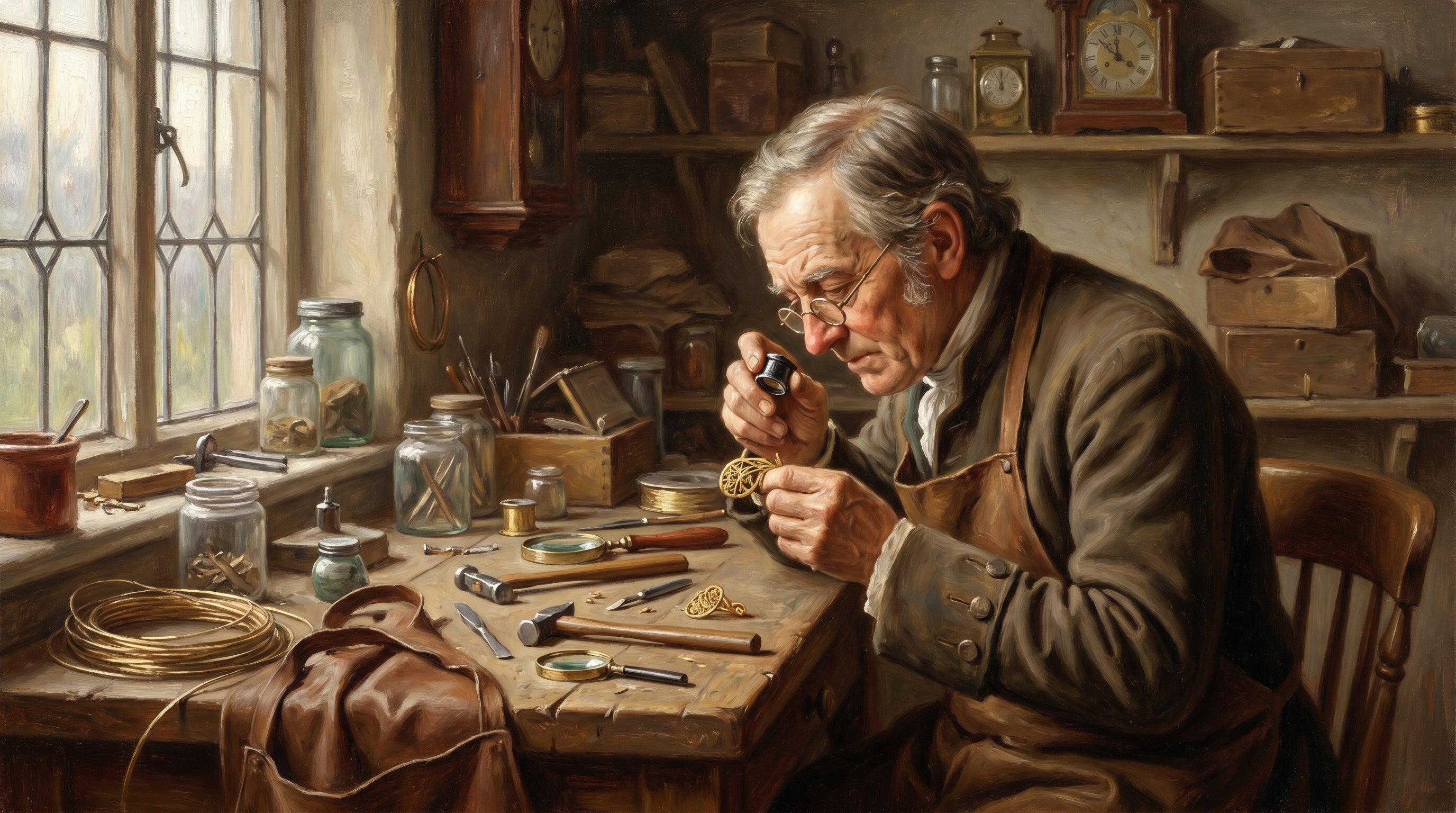
They sit quietly at your wrist — small, precise, and impossibly elegant. But cufflinks carry over 400 years of history, craftsmanship, and cultural significance. Here's the story of how they came to be.

What Are Cufflinks and Why Do They Matter?
Cufflinks are fasteners used to secure the cuffs of a dress shirt. Unlike buttons sewn into fabric, cufflinks are removable, decorative, and deeply personal. They are one of the few accessories in men's fashion that have remained relevant for over four centuries — a testament to their timeless appeal. Whether you're dressing for a boardroom, a wedding, or a black-tie gala, the right pair of cufflinks transforms an outfit from dressed to distinguished.
But when exactly were cufflinks invented? The answer takes us back to 17th century Europe — and a world where what you wore on your wrist said everything about who you were.

The 17th Century: Birth of the Sleeve Button (1600s)
The earliest known precursors to cufflinks appeared in the early 1600s. Before this, men fastened their shirt cuffs with simple ribbons, laces, or strings — functional, but lacking refinement. As European fashion grew more elaborate under the influence of the French court, particularly during the reign of Louis XIV, the aristocracy began seeking more sophisticated solutions.
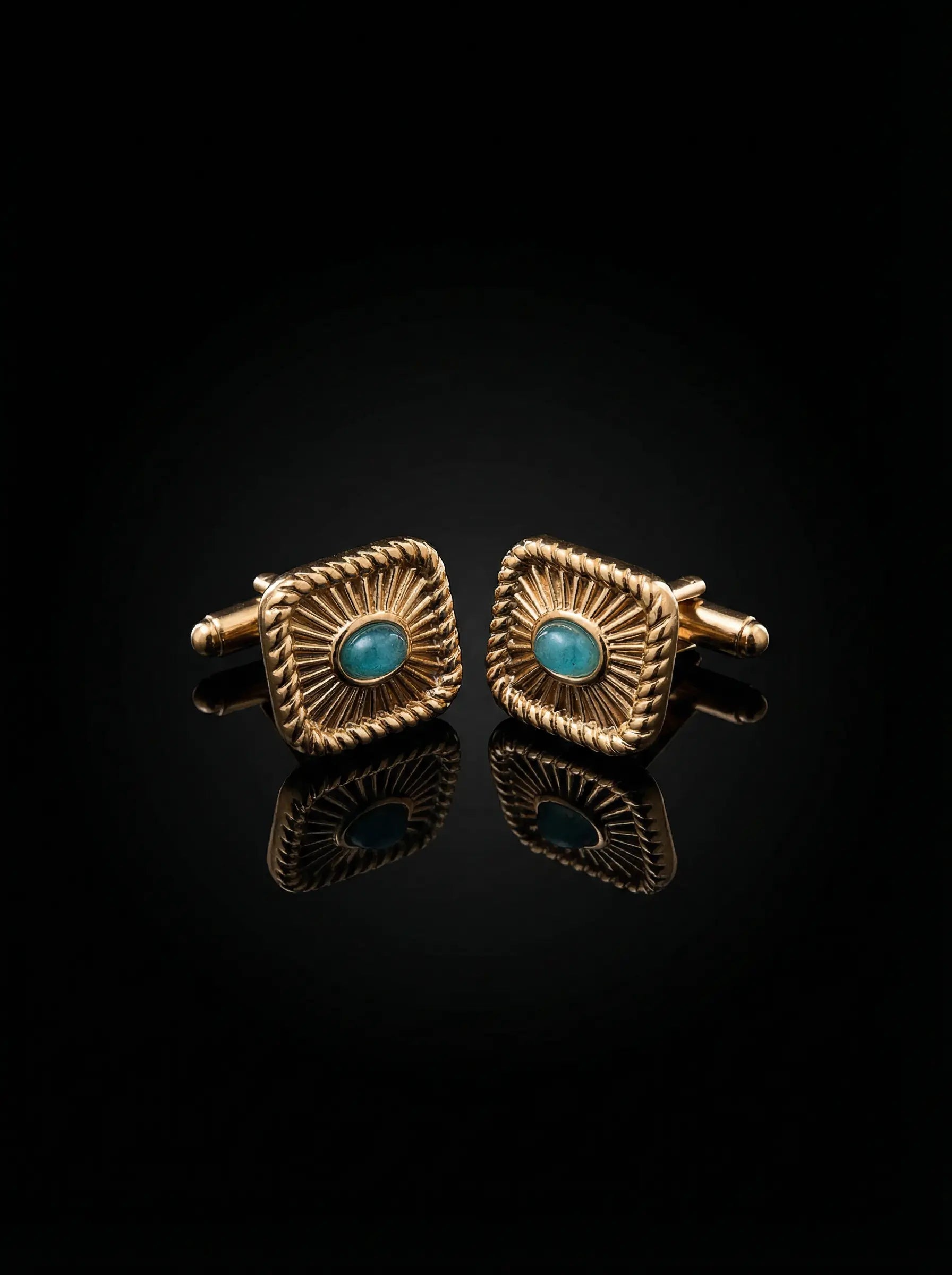
Enter the sleeve button — two small decorative buttons connected by a short chain or thread, threaded through the buttonholes of a shirt cuff. Crafted from gold, silver, and set with precious gemstones, these early cufflinks were unmistakably a symbol of wealth and status. Only the nobility and upper classes could afford them, making them as much a social signal as a functional accessory.
The oldest documented reference to sleeve buttons dates to around 1684, found in records of a London jeweller. By the end of the 17th century, they had become a fixture of aristocratic dress across England, France, and beyond.
Explore our Cufflinks Collection →

The 18th Century: A Gentleman's Non-Negotiable (1700s)
By the Georgian era, sleeve buttons had evolved significantly — both in design and in cultural importance. Jewellers across London, Paris, and Vienna began producing increasingly intricate pieces, incorporating enamel miniatures, hand-painted portraits, heraldic crests, and precious stones. These were not merely accessories; they were heirlooms, gifts, and declarations of identity.
It was during this period that the term "cufflink" began to emerge, as the connecting mechanism evolved from a simple chain to a more refined swivel-bar or toggle design — the same fundamental mechanism used in many cufflinks today.
Gifting cufflinks also became a tradition during the 18th century. Kings gifted them to courtiers, lovers exchanged them as tokens of affection, and fathers passed them to sons. The cufflink had become embedded in the rituals of gentlemanly life.

The 19th Century: The Industrial Revolution Democratises the Cufflink (1800s)
The Industrial Revolution changed everything — including who could wear cufflinks. Mass production techniques made it possible to manufacture cufflinks at scale, dramatically reducing their cost and making them accessible to the rapidly growing Victorian middle class.
Materials diversified: alongside gold and silver, manufacturers began producing cufflinks in brass, copper, mother-of-pearl, tortoiseshell, and enamel. Department stores began stocking them. Catalogues featured them. By the mid-1800s, cufflinks were no longer a luxury reserved for the elite — they were an expected part of any respectable man's wardrobe.
The Victorian era also saw the rise of novelty cufflinks — featuring motifs like horseshoes, anchors, sporting emblems, and monograms. Personal expression through cufflinks had arrived.

The 20th Century: From Power Dressing to Pop Culture (1900s)
The 20th century cemented cufflinks as a symbol of power, authority, and personal style. In the post-war era, the lounge suit became the uniform of the modern professional, and cufflinks were its finishing touch. World leaders, captains of industry, and Hollywood icons all wore them — from Winston Churchill to Frank Sinatra to James Bond.
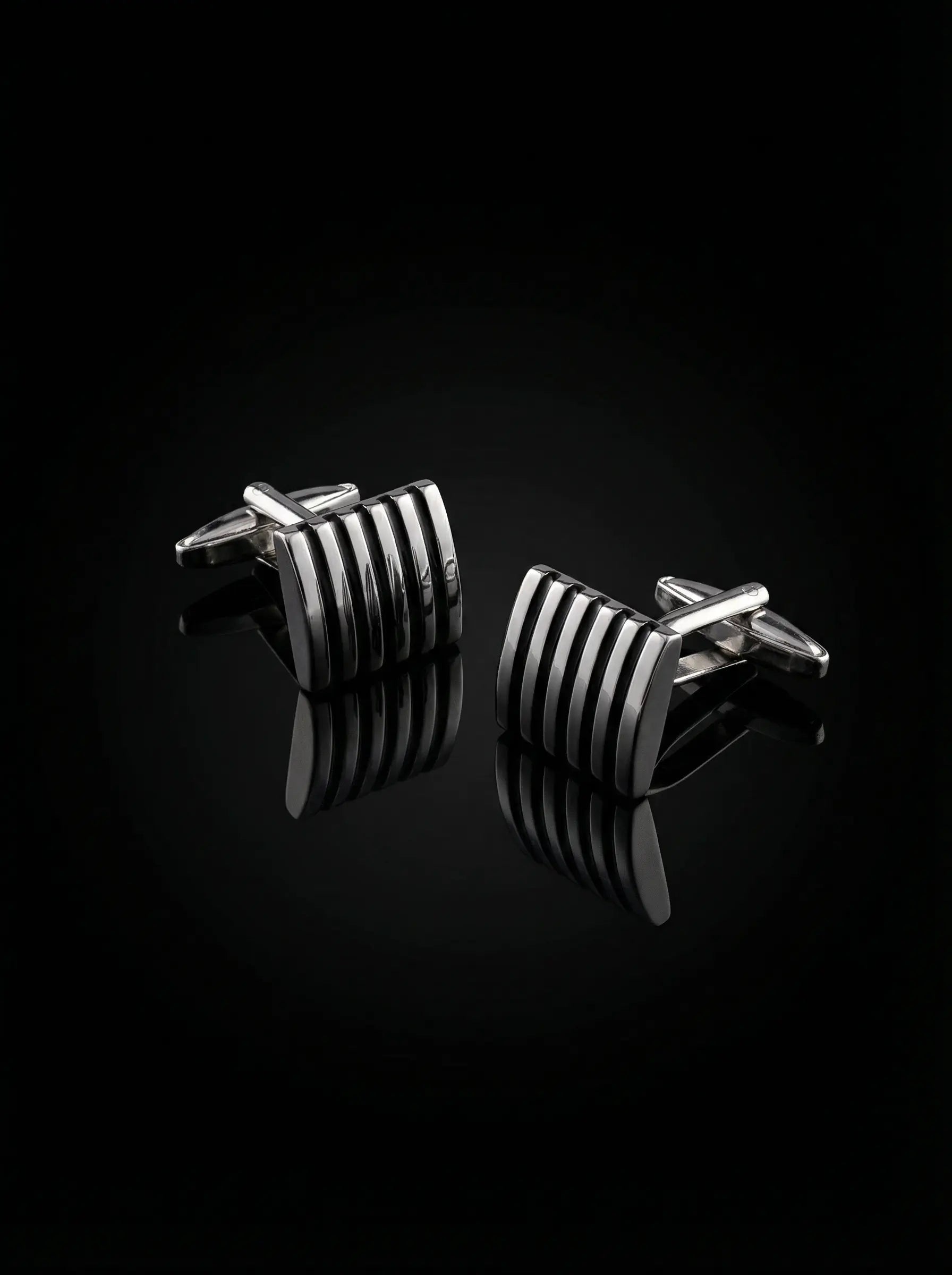
The mid-century modernist movement brought geometric, abstract, and minimalist designs to cufflinks, reflecting the design sensibilities of the era. The 1960s and 70s saw bold, colourful enamel cufflinks emerge, while the 1980s power-dressing era brought back heavy gold and monogrammed designs.
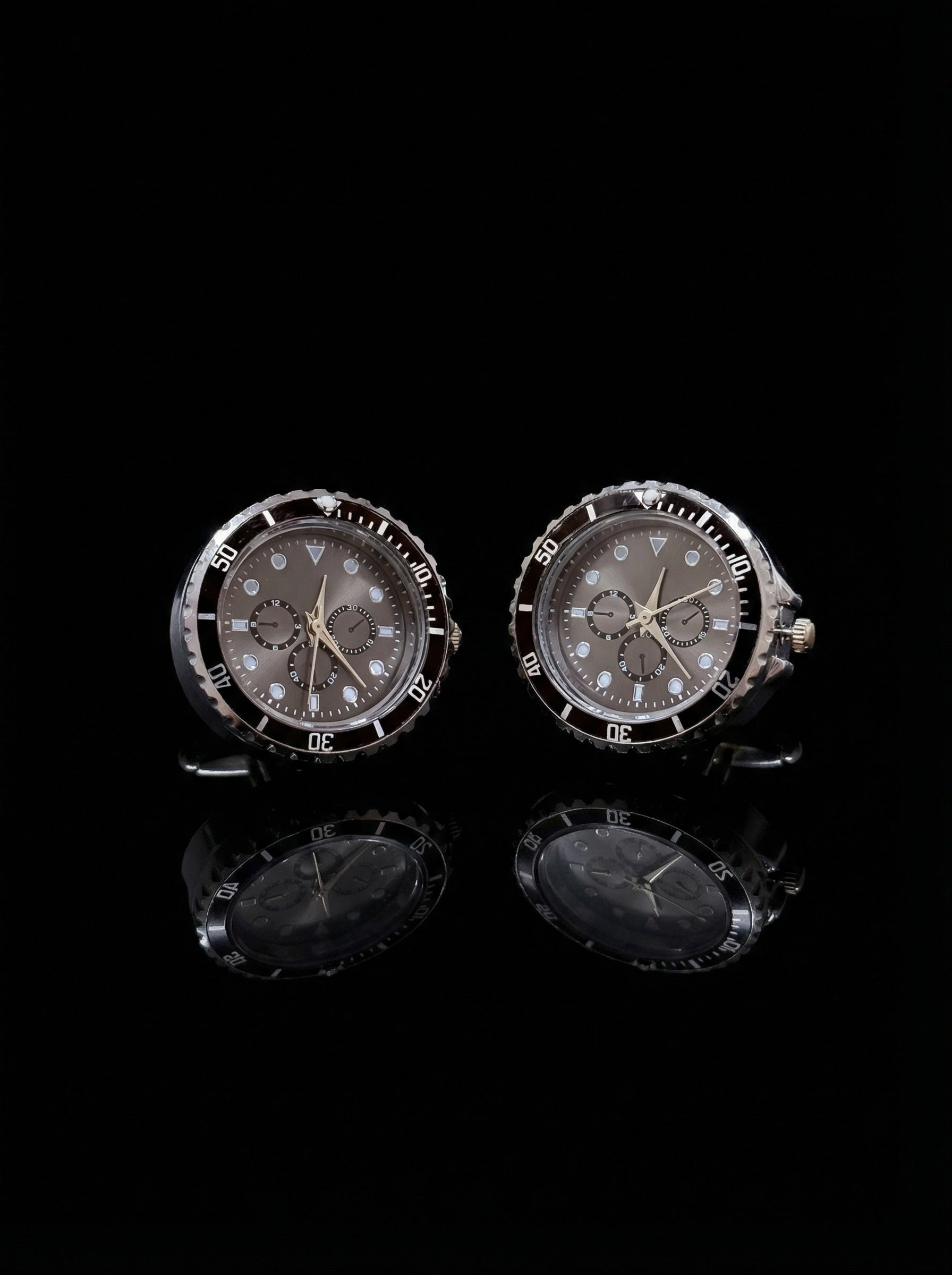
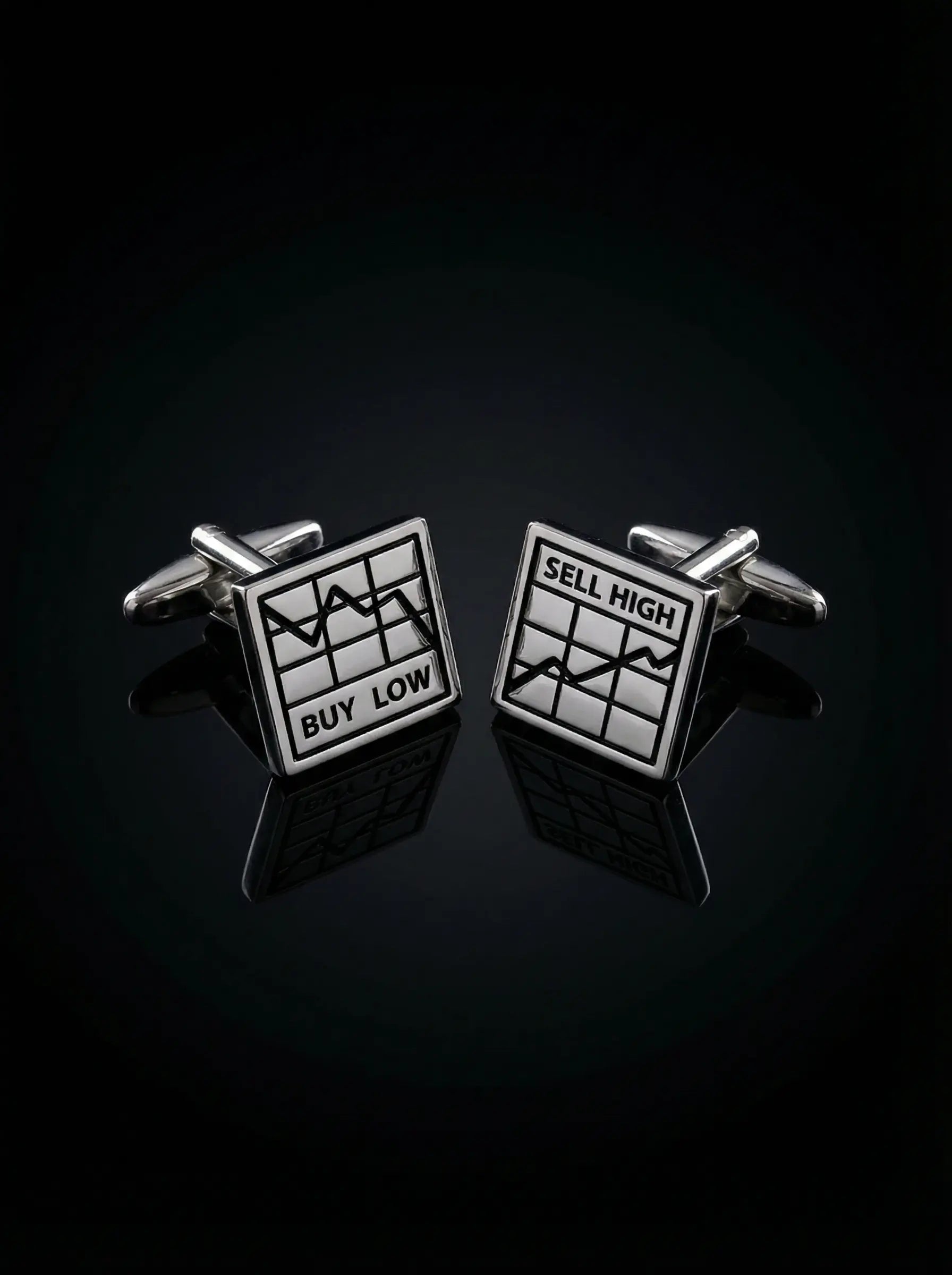
By the late 20th century, novelty cufflinks had become a genre of their own — featuring everything from miniature cars to chess pieces to brand logos — making them a vehicle for humour, personality, and storytelling.
Browse our Signature Cufflinks →
Cufflinks in the 21st Century: Timeless Meets Contemporary
Today, cufflinks occupy a unique space in men's fashion — they are simultaneously traditional and modern, formal and expressive. Contemporary designers experiment with materials like carbon fibre, titanium, resin, wood, and recycled metals, while classic gold and silver designs remain perennially in demand.
The rise of the French cuff shirt in corporate and formal settings has kept cufflinks firmly relevant, while the growing interest in slow fashion and heirloom accessories has introduced a new generation of wearers who value craftsmanship over fast fashion.
Cufflinks are also increasingly popular as wedding accessories, groomsmen gifts, and corporate gifting — occasions where a thoughtful, personalised piece carries real meaning.
A Quick Timeline: The History of Cufflinks at a Glance
- Early 1600s — Sleeve buttons first appear in European aristocratic fashion
- 1684 — Earliest documented reference to sleeve buttons in London jeweller records
- 1700s — Georgian jewellers produce elaborate enamel and gemstone designs; gifting tradition begins
- 1800s — Industrial Revolution enables mass production; cufflinks reach the middle class
- Early 1900s — Cufflinks become standard with the lounge suit and formal dress
- Mid 1900s — Modernist and novelty designs emerge; cufflinks enter pop culture
- 2000s–present — Contemporary materials and personalisation drive a new era of cufflink design
The Tivaaro Take: Why Cufflinks Still Matter
At Tivaaro, we believe that the best accessories are the ones that carry meaning. A pair of cufflinks isn't just a fastener — it's a statement, a story, and sometimes a legacy. Every piece in our collection is designed with that philosophy in mind: refined, purposeful, and built to be worn for decades.
Whether you're buying your first pair or adding to a collection, we invite you to explore what four centuries of craftsmanship looks like today.
Shop the Cufflinks Collection →
"Cufflinks are the punctuation mark of a well-dressed man's outfit — small, precise, and impossible to ignore."
Disclaimer: This article was generated with the assistance of artificial intelligence. Although reasonable efforts are made to ensure accuracy, some information may be incomplete, inaccurate, or outdated. Readers should independently verify any facts, figures, or recommendations before making decisions based on this content.